
Why Your Well Is Losing Pressure – Benton City Well Experts Explain
A consistent, reliable water supply is the backbone of any home or property relying on a private well. When water pressure starts to drop, the impact can range from mild inconveniences, like weak shower flow, to more serious problems affecting irrigation, appliances, and overall water system performance. Understanding why a well is losing pressure is essential for homeowners to prevent costly repairs and maintain a functional, safe water system. Addressing these issues promptly can ensure uninterrupted access to water and protect the integrity of your plumbing and well infrastructure.
Many factors can contribute to declining well pressure, including mechanical failures, sediment buildup, and natural changes in the water table. Knowing the signs and common causes allows homeowners to identify potential problems early and seek professional assistance before small issues escalate. This guide provides a comprehensive look at why wells lose pressure, offering practical insights, expert reasoning, and actionable steps to maintain optimal water flow. By understanding the underlying causes and solutions, homeowners can safeguard their water supply and enjoy consistent, efficient well performance.
Common Causes of Low Well Pressure
Pump Malfunction
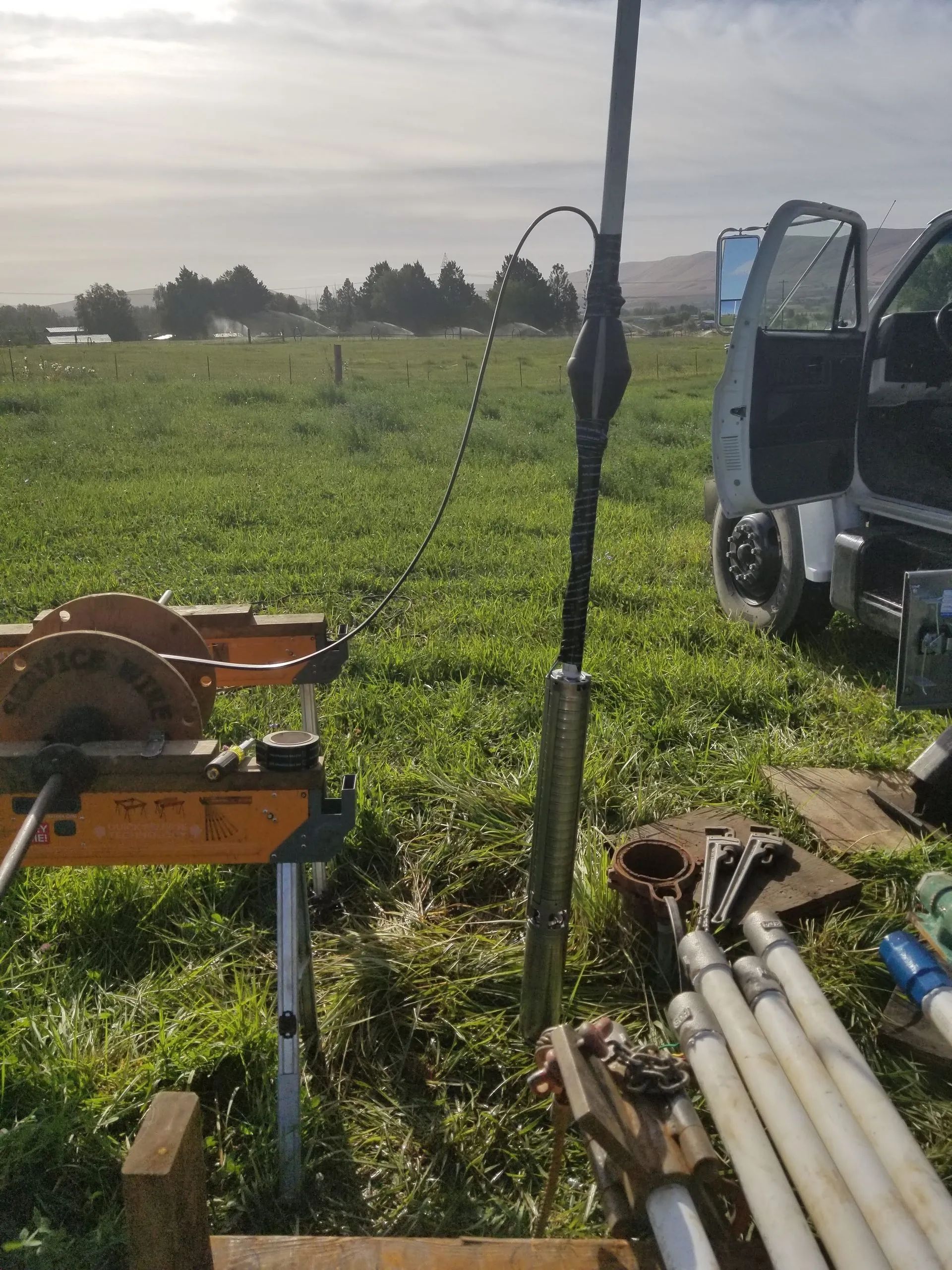
A well pump is the heart of any private water system, and even minor malfunctions can significantly reduce water pressure. Pumps can fail due to electrical issues, worn-out components, or improper sizing for the well. For instance, a pump that is too small for the household demand may struggle to maintain adequate pressure during peak usage times. Additionally, mechanical wear over time can reduce the pump’s efficiency, causing fluctuations in water flow.
Actionable Insight:
Homeowners should schedule regular pump inspections to ensure all components function properly. Checking electrical connections and monitoring the pump’s runtime can prevent unexpected failures.
Pressure Tank Issues
The pressure tank regulates the water flow in a well system by maintaining consistent pressure and reducing the frequency of pump cycling. If the tank’s bladder is damaged or the air charge is incorrect, water pressure can drop intermittently. Symptoms include short bursts of water, cycling pumps, or unusual noises from the tank.
Best Practice: Test the tank’s pressure using a gauge and compare it to manufacturer specifications. If the bladder is compromised or air levels are incorrect, a professional can repair or replace the tank.
Sediment and Mineral Buildup
Over time, wells can accumulate sediment, minerals, and other debris that restrict water flow. High iron or calcium levels can form deposits inside pipes, valves, and the pump, leading to reduced pressure. This is especially common in older wells or wells that have not been regularly maintained.
Real-World Scenario: A homeowner notices that showers and faucets provide weak water despite the pump running. An inspection reveals heavy mineral buildup inside the pressure tank and distribution lines, which is easily remedied with cleaning and filtration.
Environmental and Water Table Factors
Seasonal Fluctuations
Water pressure in wells is directly influenced by the surrounding water table, which can vary with seasonal precipitation, drought, and local groundwater extraction. During dry periods, the water table may drop, causing pumps to draw from a lower water level and reducing pressure.
Expert Reasoning: Monitoring local water conditions can help homeowners anticipate pressure changes. Installing a deeper well or adjusting pump settings may be necessary in areas prone to seasonal fluctuations.
Nearby Wells and Water Usage
The presence of neighboring wells or increased irrigation and industrial water use can temporarily lower the water table, reducing well pressure. This is particularly relevant in communities with high well density, where shared groundwater resources are affected by multiple users.
Actionable Insight: Consulting local water authorities or conducting a hydrogeological assessment can help identify whether declining pressure is due to external water usage.
Plumbing and System-Related Issues
Pipe Leaks and Corrosion
Leaks, cracks, or corrosion in plumbing lines can dramatically decrease well water pressure. Even minor leaks not visible on the surface can reduce flow, increase pump workload, and potentially damage system components. Older galvanized or steel pipes are especially susceptible to corrosion, leading to pressure loss and water discoloration.
Best Practice: Inspect pipes regularly and replace corroded sections with modern materials such as PEX or PVC. Detecting leaks early minimizes damage and maintains consistent pressure.
Valve and Fixture Problems
Malfunctioning valves, clogged aerators, and failing fixtures can mimic low well pressure. A partially closed main shutoff valve or clogged faucet screen can reduce flow to a single fixture, making it seem like the entire system is affected.
Real-World Scenario: A homeowner reports weak water in the kitchen, but the bathroom functions normally. A simple cleaning of the faucet aerator restores normal pressure, illustrating the importance of checking localized fixtures before assuming a system-wide issue.
Pump and System Maintenance Strategies
Regular Inspections
Routine inspections of pumps, pressure tanks, pipes, and valves are critical for maintaining optimal water pressure. Scheduling annual or biannual evaluations allows homeowners to identify and resolve problems before they escalate.
Expert Tip: During inspections, technicians should check for electrical integrity, pump efficiency, pressure tank functionality, and signs of mineral or sediment buildup.
Water Testing and Treatment
Testing water quality is essential, as high levels of minerals, bacteria, or sediment can damage well components and reduce pressure. Implementing appropriate water treatment systems, such as sediment filters, softeners, or disinfection units, can improve system performance and extend the lifespan of pumps and pipes.
Example: In a Benton City property, a well with naturally high iron levels caused frequent clogging in the pump intake. Installing a dedicated iron filtration system resolved the pressure issues and improved water quality.
Upgrading System Components
Older wells may require system upgrades to maintain consistent pressure. Installing a larger or more efficient pump, replacing corroded pipes, or upgrading the pressure tank can address chronic low-pressure problems.
Actionable Insight: Homeowners should work with licensed well contractors to evaluate their system’s capacity and recommend upgrades tailored to household water needs.
Emergency Situations and Troubleshooting
Recognizing Warning Signs
Prompt identification of pressure issues can prevent serious failures. Key indicators include fluctuating water flow, frequent pump cycling, unusual noises, and sudden loss of pressure. Ignoring these signs can lead to pump burnout, pipe damage, and even temporary water loss.
Best Practice:
Maintain a log of water pressure and system performance. Noting when and where pressure drops occur helps professionals diagnose the root cause efficiently.
DIY Troubleshooting Measures
While some well problems require professional intervention, homeowners can take initial troubleshooting steps, such as checking pressure tank air levels, inspecting visible pipes for leaks, and cleaning faucet aerators.
Safety Reminder: Never attempt to repair submerged pumps or electrical components without proper expertise. Always consult a licensed well technician for complex repairs to avoid injury and system damage.
Preventative Maintenance for Long-Term Pressure Stability
Scheduled Servicing
Preventative maintenance is key to avoiding pressure-related issues. Regularly servicing pumps, pressure tanks, and water treatment systems ensures consistent performance and extends equipment life.
Real-World Benefit: A homeowner who schedules annual well inspections experiences fewer unexpected breakdowns, maintains strong water pressure year-round, and avoids costly emergency repairs.
Monitoring and Automation
Modern well systems can include pressure sensors, automated shutoff valves, and smart monitoring systems that alert homeowners to pressure drops or mechanical failures. These tools help identify issues before they escalate and reduce downtime.
Expert Advice: Investing in monitoring technology is particularly beneficial for properties with high water usage or remote locations where immediate attention may be challenging.
Trusted Professionals Deliver Long-Term Well Performance Solutions
Maintaining proper water pressure in a well system requires understanding the complex interplay of mechanical, environmental, and plumbing factors. Pumps, pressure tanks, pipes, and fixtures must all function efficiently, while natural elements like sediment buildup, water table fluctuations, and nearby water use can influence performance. Regular inspections, water testing, and preventative maintenance are essential strategies for preserving consistent water pressure and extending the life of your well system. Recognizing early warning signs and addressing issues promptly prevents costly repairs and ensures reliable access to water for everyday use.
Precision Pump and Well Services of Benton City, Washington, brings 50 years of trusted expertise to the community. As a locally operated company, we specialize in diagnosing and resolving well pressure issues, providing professional pump servicing, pressure tank maintenance, and comprehensive system evaluations. Our team combines decades of experience with modern techniques, delivering reliable, long-lasting solutions for homeowners and businesses alike. With a commitment to quality, transparency, and customer satisfaction, Precision Pump and Well Services is the trusted authority for all well maintenance and water pressure needs in Benton City and surrounding areas.