
Complete Guide to Well Pump Repairs in Benton City, WA
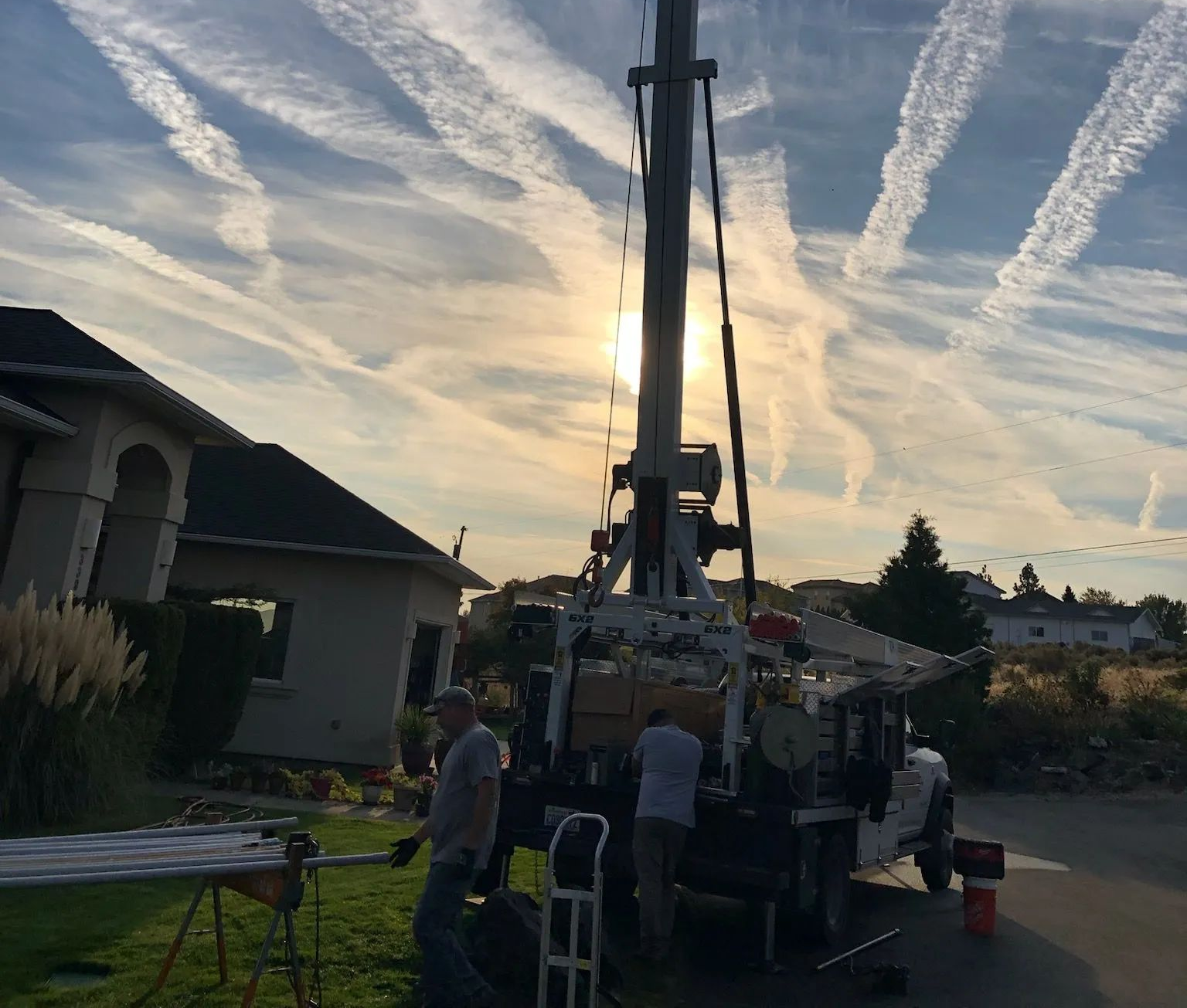
A reliable water supply is the backbone of any household or business, and in many parts of Benton City, WA, private wells are the primary source of this essential resource. Well pumps, the mechanical systems responsible for delivering water from underground sources, play a critical role in ensuring consistent access to clean water. When a well pump malfunctions or operates inefficiently, it can disrupt daily routines, compromise property operations, and lead to costly repairs if not addressed promptly. Understanding the nuances of well pump repairs can help homeowners and business owners make informed decisions and maintain the longevity of their water systems.
Well pump repairs involve more than just replacing a malfunctioning part. They require diagnosing complex issues, understanding the type and capacity of the pump, and implementing solutions that balance efficiency and cost-effectiveness. From detecting unusual noises and low water pressure to handling complete system failures, timely intervention is key to preventing long-term damage. This guide provides an in-depth look at the essential aspects of well pump repairs, offering practical insights, expert advice, and actionable steps for anyone seeking to maintain or restore optimal water flow in their property. Whether you’re a first-time well owner or experienced in managing private water systems, this resource equips you with the knowledge needed to navigate repairs confidently.
Understanding Well Pumps and Common Issues
Types of Well Pumps
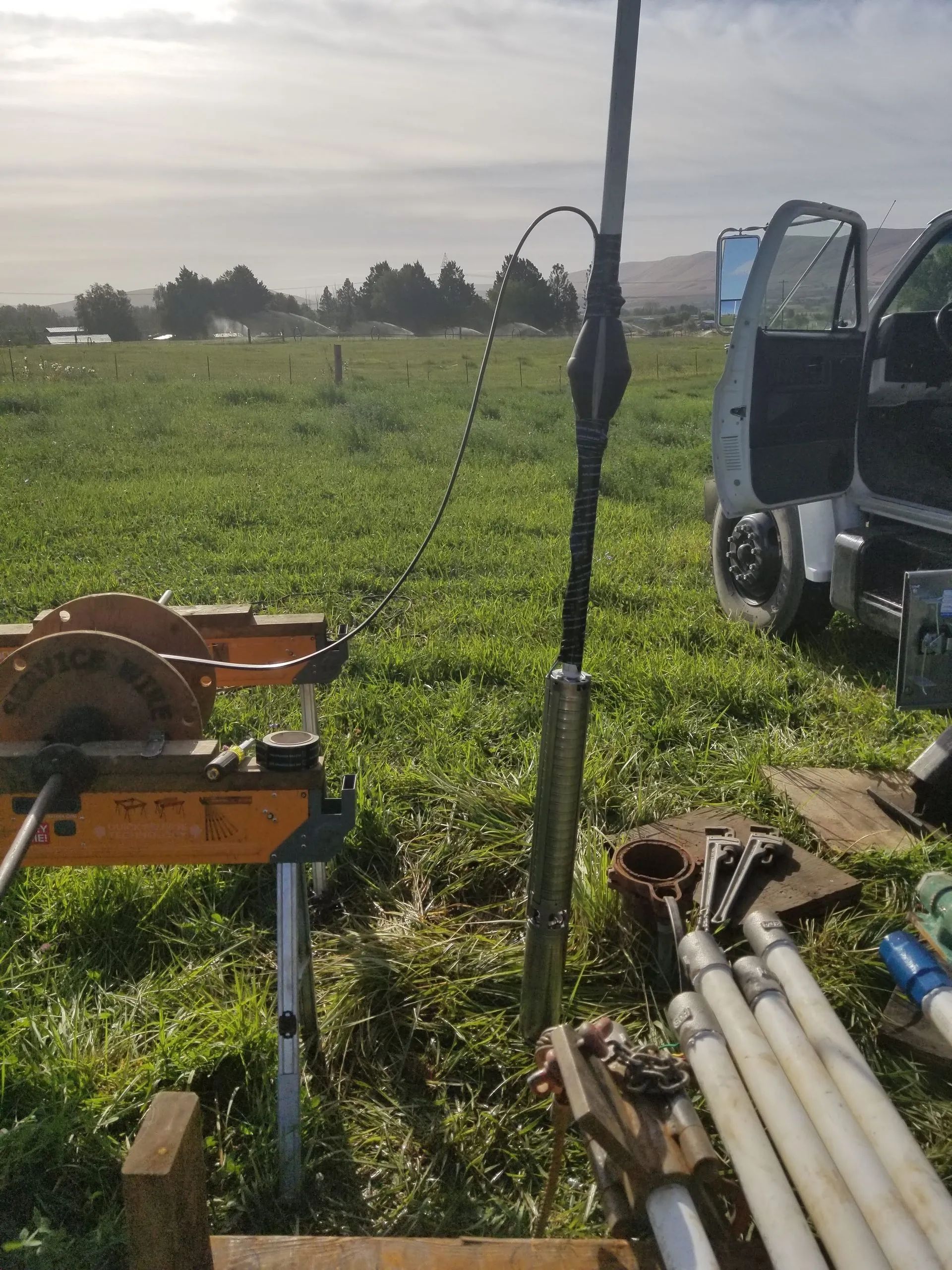
Well pumps come in various types, each designed for specific water sources and property needs. Submersible pumps, installed deep within the well, are ideal for high-volume water systems and offer quiet, efficient operation. Jet pumps, commonly used for shallow wells, operate above ground and are easy to maintain but may be less efficient for deep-water applications. Solar-powered and hand pumps serve specialized purposes in remote or off-grid areas. Understanding the type of pump installed is crucial for diagnosing problems accurately and selecting the appropriate repair or replacement strategy.
Typical Problems Encountered
Well pumps can experience a range of issues over time. Low water pressure often indicates a clogged or failing pump, air leaks, or pressure tank issues. Noisy operation may suggest worn bearings, motor problems, or debris in the pump impeller. Intermittent water supply can be caused by electrical faults, inadequate pump sizing, or failing pressure switches. In some cases, complete pump failure requires immediate attention to avoid water shortages. Recognizing early warning signs allows property owners to address issues before they escalate into costly repairs or full system replacements.
Factors Contributing to Pump Failures
Several factors influence the lifespan and performance of a well pump. Water quality, including sediment, mineral content, and corrosive elements, can wear down pump components. Electrical issues, such as fluctuating voltage or improper wiring, often lead to motor damage. Improper installation or sizing can create strain on the system, causing premature failure. Environmental factors like seasonal freezing, power outages, or fluctuations in well water levels also impact reliability. Awareness of these factors helps homeowners implement preventive measures and schedule timely maintenance to extend pump life.
Diagnosing Well Pump Problems
Visual and Auditory Inspection
The first step in diagnosing well pump issues is a thorough inspection. Check for visible signs of leaks, corrosion, or water damage near the pump and pressure tank. Listen for unusual sounds such as humming, grinding, or rattling, which often indicate mechanical problems. Simple observations like these can provide immediate clues about the nature of the failure and guide further troubleshooting steps.
Monitoring Water Flow and Pressure
Testing the system’s water pressure and flow rate can reveal inconsistencies in performance. A sudden drop in pressure may indicate a clogged pump intake, worn impellers, or issues with the pressure tank. Fluctuating water levels during use can point to electrical or control problems. Accurate monitoring over time helps identify intermittent problems that might not be obvious during a single inspection.
Electrical Testing
Many well pump issues stem from electrical faults. Testing the motor, wiring, pressure switch, and circuit breakers ensures the system receives stable power. Common problems include burnt motors, faulty switches, or short circuits, which can cause pumps to run inefficiently or fail entirely. Employing a systematic diagnostic approach ensures repairs are precise and avoids unnecessary replacement of functional components.
Common Well Pump Repairs and Maintenance
Pressure Tank and Switch Repairs
Pressure tanks regulate water flow and prevent the pump from cycling too frequently. Malfunctions can cause short cycling or water surges. Replacing worn diaphragms, air bladders, or pressure switches can restore balance and prevent excessive strain on the pump.
Pump Component Replacement
Over time, pumps may require impeller, bearing, or seal replacement. Submersible pumps often experience wear due to sand, sediment, or mineral deposits, which can erode internal components. Timely replacement of these parts prevents further damage and restores efficient operation.
Electrical System Fixes
Addressing motor issues, wiring faults, and faulty controls is critical for safe and reliable pump performance. Installing voltage regulators or surge protectors can protect sensitive components from electrical damage. Skilled technicians ensure that repairs comply with electrical codes and enhance system longevity.
Preventive Maintenance Strategies
Routine maintenance extends the lifespan of well pumps and minimizes emergency repairs. Key practices include:
- Annual inspections of pump, tank, and electrical components.
- Water testing for sediment, pH, and mineral content.
- Cleaning or replacing intake screens to prevent clogging.
- Lubricating mechanical components to reduce wear.
- Monitoring pump cycles and water usage patterns.
Preventive maintenance not only reduces unexpected breakdowns but also improves water efficiency and energy consumption, lowering operational costs over time.
Challenges in Well Pump Repairs
Accessibility and Installation
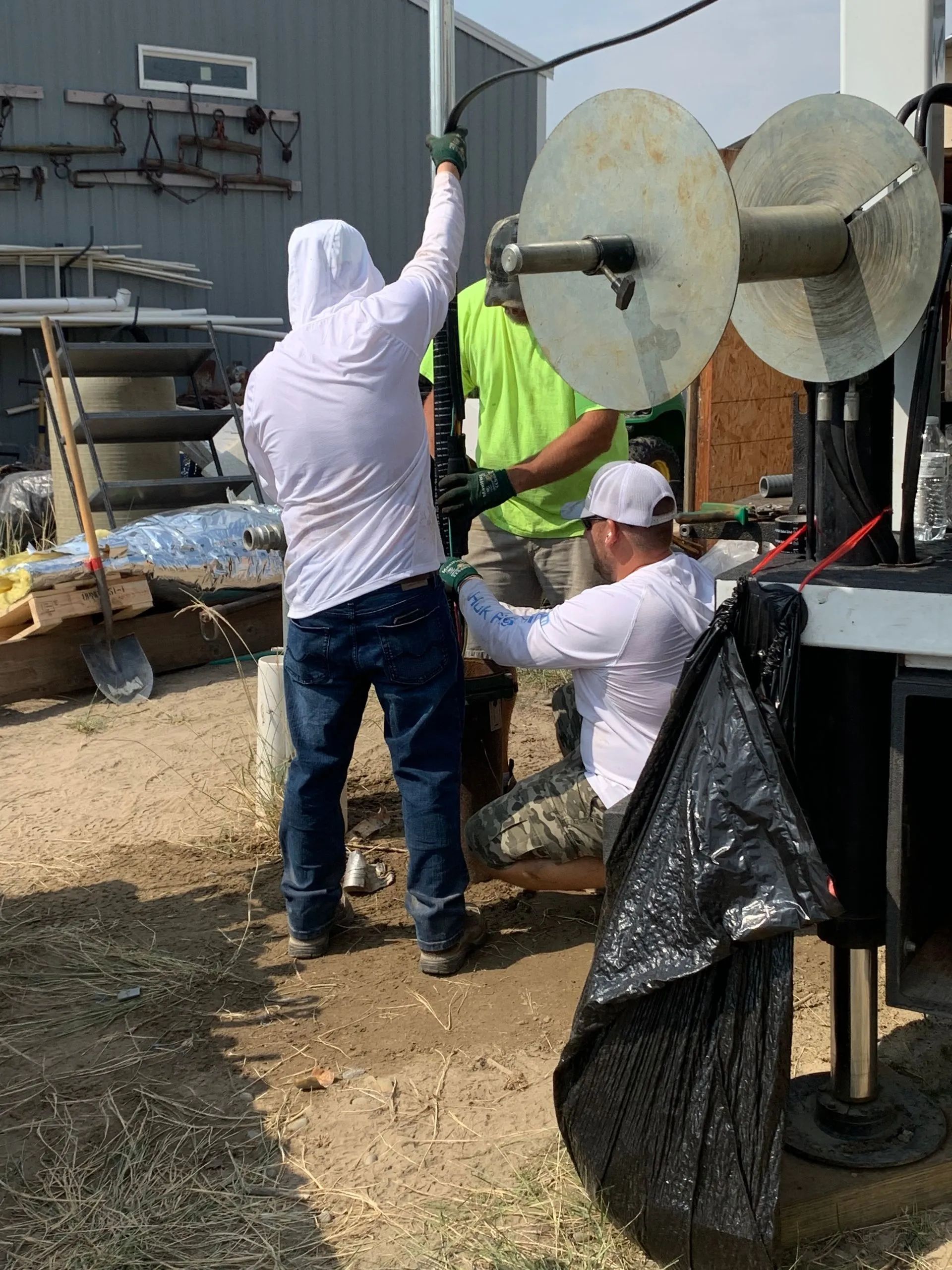
Some well pumps are deep within wells or difficult-to-reach areas, making repairs complex and requiring specialized equipment. Improper handling can damage the well casing or pump, leading to additional costs.
Diagnosing Intermittent Issues
Intermittent problems, such as occasional low pressure or sporadic noise, can be challenging to diagnose without extended observation and testing. Experienced technicians are essential to identify root causes accurately, avoiding unnecessary replacements.
Water Quality Concerns
High sediment, iron, or corrosive water can accelerate wear and reduce pump lifespan. Addressing water quality through filtration, sediment traps, or chemical treatments is often necessary alongside mechanical repairs.
Balancing Cost and Longevity
Homeowners often face decisions between repairing worn components or installing a new pump. Evaluating long-term efficiency, energy use, and future maintenance costs is critical to making cost-effective choices.
Selecting a Well Pump Repair Professional
Evaluating Experience and Expertise
Choosing a skilled, licensed professional ensures repairs are accurate, efficient, and code-compliant. Look for technicians with experience in diagnosing various pump types, electrical systems, and water quality challenges. Verified credentials, customer reviews, and local reputation are important indicators of reliability.
Understanding Service Scope
A reputable service provider should offer comprehensive repair, maintenance, and diagnostic services, including emergency support. Professionals who perform inspections, component replacements, and preventive maintenance save property owners time and money by addressing both current and potential issues.
Transparent Pricing and Estimates
Clear communication regarding repair costs, parts, labor, and potential contingencies helps homeowners make informed decisions. Professionals who provide written estimates and explain repair options foster trust and minimize surprises during service.
Emergency and Preventive Services
Water system failures can occur at any time, making 24/7 availability and emergency response a valuable factor. Additionally, providers offering scheduled maintenance plans help prevent major breakdowns and extend pump longevity.
Precision Pump Specialists Ensure Reliable Water System Performance
Well pump repairs are essential for maintaining a reliable water supply and ensuring the efficiency of private well systems. From identifying early signs of low water pressure and unusual noises to addressing electrical faults and worn mechanical components, timely intervention can prevent costly system failures. Understanding the types of pumps, common issues, repair options, and preventive maintenance strategies empowers homeowners and business owners to safeguard their water systems effectively. While DIY troubleshooting can help identify simple problems, professional evaluation is often necessary to resolve complex issues and optimize system performance.
Precision Pump and Well Services, based in Benton City, Washington, brings 50
years of industry expertise to every well pump repair project. Our team of licensed technicians specializes in diagnosing, repairing, and maintaining a wide range of well pump systems, ensuring consistent water supply for residential and commercial properties. Committed to quality, safety, and customer satisfaction, we provide tailored solutions, preventive maintenance, and emergency support. Homeowners in Benton City can trust Precision Pump and Well Services
to deliver reliable, long-lasting repairs that protect one of their most vital resources: clean, dependable water.