
How Often Should You Schedule Well Pump Maintenance in Benton City?
For homeowners and businesses in Benton City who rely on well water, the well pump is a critical component of daily life. It ensures a steady, reliable flow of water for drinking, irrigation, cleaning, and other essential uses. Despite its importance, many property owners underestimate the necessity of regular well pump maintenance. Neglecting this crucial task can lead to decreased efficiency, costly repairs, and, in extreme cases, complete system failure. With water being such a vital resource, understanding the optimal maintenance schedule for your well pump is more than just preventive care—it’s an investment in the longevity and safety of your water supply.
Well pumps operate under constant mechanical stress and exposure to environmental factors, including sediment, minerals, and fluctuating water levels. Over time, these factors can compromise the system’s performance, leading to reduced water pressure, unusual noises, or even contamination risks. Regular maintenance not only mitigates these risks but also ensures compliance with best practices in water management. For Benton City residents, staying informed about how often to service their well pump is crucial. This guide provides actionable insights, expert advice, and real-world recommendations to help you optimize the lifespan and efficiency of your well system.
Understanding Your Well Pump System
Types of Well Pumps
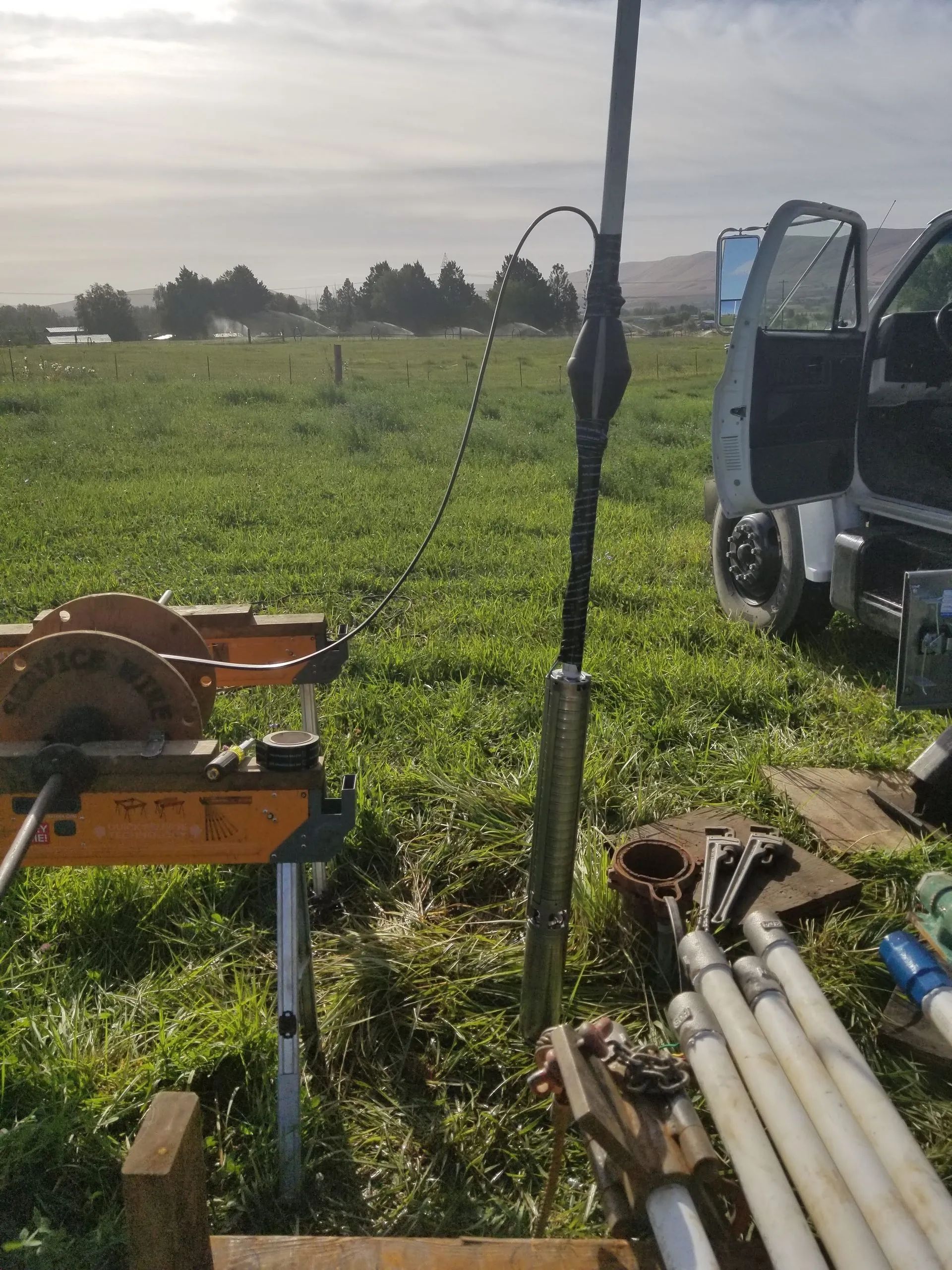
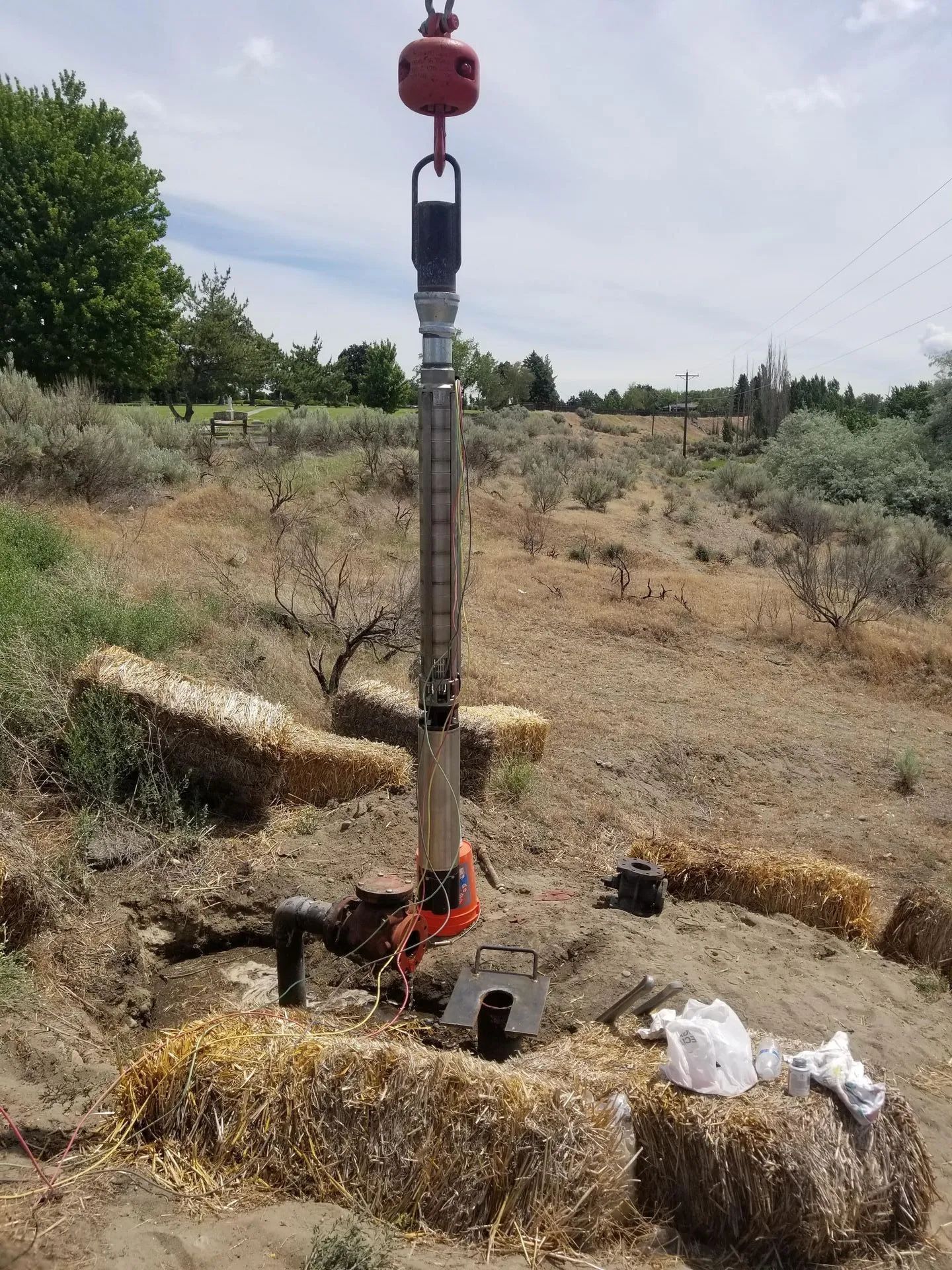
Well pumps come in various types, each with distinct maintenance requirements. The most common in residential and commercial properties are submersible pumps and jet pumps. Submersible pumps are installed inside the well, submerged in water, and are generally more efficient for deeper wells. Jet pumps, on the other hand, are located above ground and use suction to draw water from the well, typically suitable for shallower water sources.
Knowing your pump type helps determine the appropriate maintenance schedule. For example, submersible pumps require inspections focused on electrical components and impellers, while jet pumps need careful monitoring of suction lines and pressure tanks. Identifying your system correctly prevents unnecessary repairs and ensures targeted, effective maintenance.
Key Components Requiring Attention
Every well pump system includes several components that degrade over time:
- Pressure Tank: Maintains water pressure and prevents pump overworking.
- Pump Motor: Powers water movement; sensitive to wear and electrical issues.
- Piping and Valves: Can corrode, leak, or become clogged.
- Check Valve: Prevents backflow; essential for consistent operation.
Regular inspections of these components allow early detection of minor issues before they escalate into costly failures. Understanding each component’s function and vulnerabilities is critical for developing a well-maintained schedule.
Recommended Maintenance Frequency
Annual vs. Semi-Annual Maintenance
Experts generally recommend at least annual maintenance for residential well pumps. This includes a thorough inspection, performance testing, and cleaning of key components. Semi-annual maintenance may be beneficial for older pumps or systems in areas with high sediment or mineral content, as these conditions accelerate wear and tear.
Annual maintenance helps detect issues like:
- Reduced water flow
- Strange noises or vibrations
- Pressure inconsistencies
- Electrical inefficiencies
Addressing these issues early prevents sudden pump failure and extends system longevity. Semi-annual inspections are particularly valuable for high-demand systems or those serving multiple households, commercial properties, or irrigation-intensive operations.
Seasonal Considerations
Benton City experiences seasonal variations that can impact well pumps. Colder months may pose a risk of freezing in above-ground components, while summer heat can increase water demand and strain the system. Scheduling maintenance before peak seasons ensures your pump operates efficiently when you need it most. For example, inspecting and servicing your pump in late winter prepares the system for spring irrigation needs, avoiding interruptions during high-demand periods.
Drivers also benefit from turn-by-turn voice guidance, lane assistance, and live updates that improve situational awareness. This reduces driver stress, especially for those operating under tight schedules or navigating unfamiliar delivery areas.
Common Maintenance Tasks
Cleaning and Debris Removal
Sediment, sand, and other debris can accumulate in the well, obstructing pump operation and reducing water quality. Maintenance should include:
- Flushing the well to remove sediment
- Inspecting and cleaning the pump intake screen
- Checking for rust or corrosion on metallic components
These steps prevent clogging and extend pump life. Neglecting them can lead to decreased efficiency and, in severe cases, damage to the motor and impellers.
Electrical and Mechanical Inspections
Well pumps rely heavily on electrical systems to function. Key tasks during maintenance include:
- Inspecting wiring and connections for corrosion or wear
- Testing voltage and current draw on the motor
- Checking for unusual vibrations or sounds from moving parts
Addressing electrical issues early prevents motor burnout and reduces the risk of complete system failure.
Pressure and Flow Testing
Regular testing of water pressure and flow is essential to gauge pump performance. A well-maintained system should deliver a consistent flow rate with stable pressure. Sudden drops in performance may indicate issues such as:
- Worn impellers
- Leaks in piping
- Pressure tank problems
Monitoring these metrics helps schedule timely repairs and prevents unexpected disruptions.
Water Quality Checks
Contaminants like bacteria, nitrates, and minerals can affect both health and pump efficiency. Maintenance should include periodic water testing to ensure safety and compliance with local regulations. If contamination is detected, prompt remediation protects both the pump and users’ health.
Signs Your Well Pump Needs Immediate Attention
Reduced Water Pressure
One of the first signs of pump issues is a drop in water pressure. If pressure gradually decreases over time, it may indicate worn pump components, leaks, or sediment buildup. Ignoring this can lead to complete pump failure
Unusual Noises
Grinding, whining, or rattling noises are often indicators of mechanical problems, such as:
- Damaged impellers
- Loose bearings
- Electrical issues
Prompt inspection by a qualified technician can prevent major repairs.
Frequent Cycling
If your pump turns on and off more frequently than usual, it may be struggling with pressure tank issues, leaks, or an undersized system. Continuous cycling not only reduces efficiency but also increases wear on the motor.
Discolored or Contaminated Water
Brown, rusty, or cloudy water often signals corrosion in the well system or intrusion of sediments. Immediate attention is required to prevent health risks and equipment damage.
Benefits of Regular Well Pump Maintenance
Extended Equipment Lifespan
Routine inspections and upkeep prevent early wear, extending the overall life of your well pump. Replacing a pump prematurely can cost thousands, while regular maintenance is a fraction of that investment.
Improved Efficiency and Lower Energy Costs
A well-maintained pump operates more efficiently, reducing electricity consumption. Clean components and proper pressure settings prevent unnecessary strain on the motor, saving both money and energy.
Enhanced Water Quality
Maintenance ensures that filters, screens, and other components function properly, preventing contamination. Regular water testing during maintenance protects household health and ensures compliance with local safety standards.
Prevents Costly Emergencies
Unexpected pump failure can disrupt daily life and lead to expensive emergency repairs. Scheduled maintenance reduces the likelihood of sudden breakdowns and the associated inconvenience and expense
Best Practices for Benton City Homeowners
Develop a Maintenance Schedule
Property owners should establish a clear maintenance schedule based on their pump type, usage, and local conditions. Annual or semi-annual inspections are recommended, with additional checks during high-demand or extreme weather periods.
Keep Detailed Records
Document every maintenance visit, repair, and water test. Keeping a detailed log helps technicians identify patterns and anticipate future issues, improving long-term system reliability.
Hire Experienced Professionals
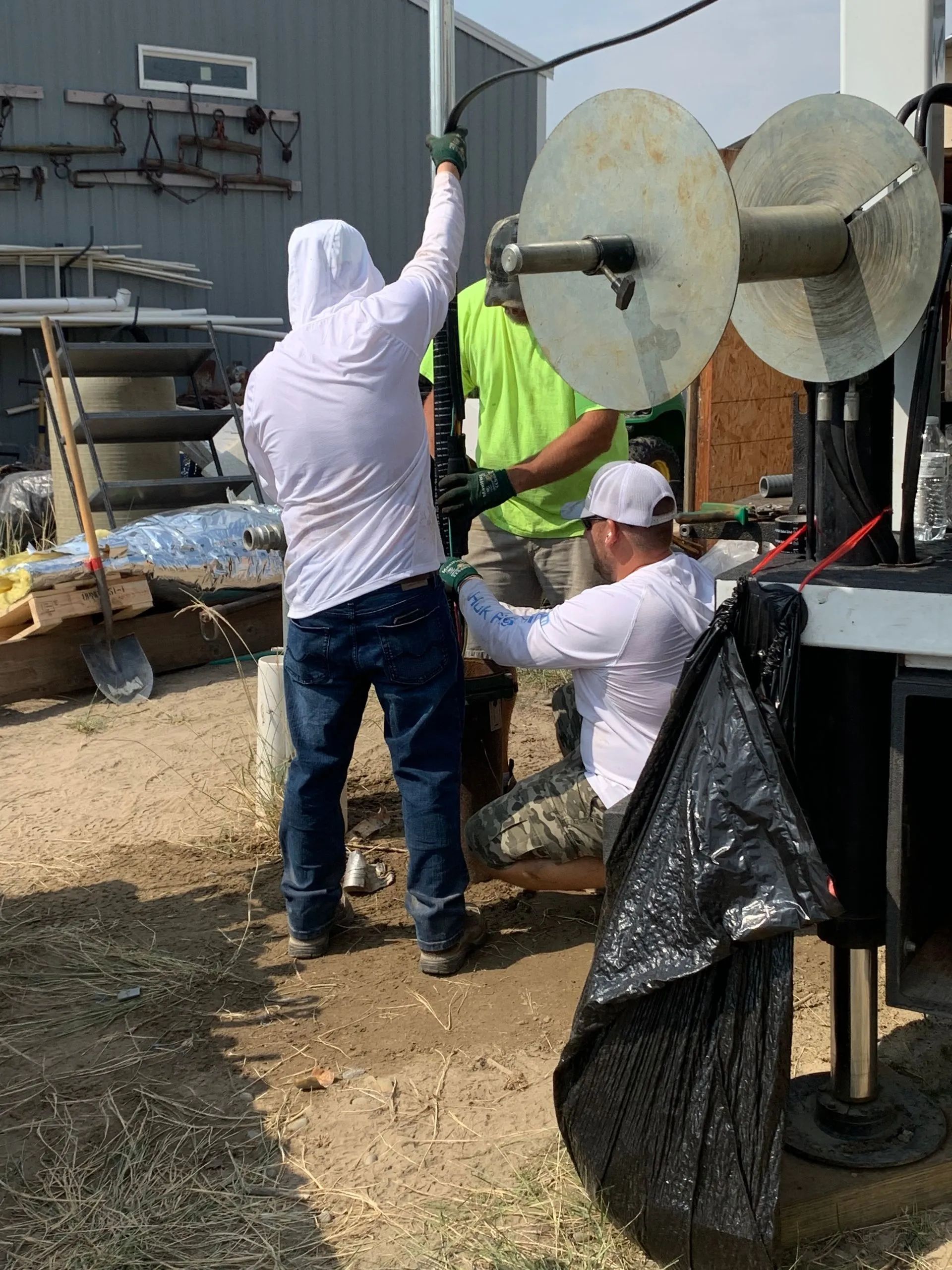
While some minor maintenance tasks can be performed by homeowners, most inspections and repairs require trained professionals. Certified well pump technicians have the expertise and equipment to detect issues that may not be visible to the untrained eye.
Consider Upgrades
Older pumps may benefit from modern upgrades, such as energy-efficient motors, corrosion-resistant materials, or advanced monitoring systems. Investing in upgrades during routine maintenance can improve performance and reduce long-term costs.
Educate Household Members
Everyone in the household should understand the signs of pump trouble. Early detection—such as noticing unusual sounds or pressure drops—enables timely intervention and prevents major damage.
Expert Recommendations
Experts in the water services industry recommend a proactive approach to well pump maintenance rather than reactive. Regular inspections, timely repairs, and water quality testing form the backbone of effective maintenance strategies. For Benton City, where seasonal temperature changes and variable water table levels can affect pump performance, maintaining a consistent schedule is especially important.
Additionally, integrating technology like pressure sensors, remote monitoring systems, and automated alerts can provide real-time information about pump health. These tools enable homeowners to detect anomalies early and schedule maintenance before problems escalate. Combining expert guidance, scheduled inspections, and modern monitoring ensures reliable water access and prolongs equipment life.
Maximizing Lifespan and Performance of Well Pumps
Well pump maintenance is an essential aspect of safeguarding water supply, efficiency, and system longevity. For Benton City residents, understanding how often to schedule inspections, what tasks to prioritize, and how to recognize warning signs is key to preventing costly breakdowns and ensuring consistent water quality. Annual or semi-annual professional checkups, coupled with routine household monitoring, help detect issues early, optimize performance, and extend the lifespan of the pump.
Precision Pump and Well Services, located in Benton City, Washington, brings over 50 years of experience in well pump maintenance and water system solutions. Our team is dedicated to providing thorough inspections, timely repairs, and preventive care tailored to each property’s unique needs. With a commitment to reliability, professionalism, and water safety, we help homeowners and businesses maintain uninterrupted, high-quality water access. By partnering with seasoned experts, you can ensure your well pump continues to operate efficiently for years to come. Trust Precision Pump and Well Services to protect your most vital resource.